Western Cowboy My Cowboy Costume Shirt Review for Embroidery Projects
As an experienced embroidery designer and product reviewer, I often look at digital embroidery files with a critical eye. Western Cowboy My Cowboy Costume Shirt is one such design that caught my attention—not just for its nostalgic appeal but for how it could function in real-world embroidery projects. Let’s break down what makes this design work or where it might fall short based on practical use.
First Impressions: The Mood and Visual Personality
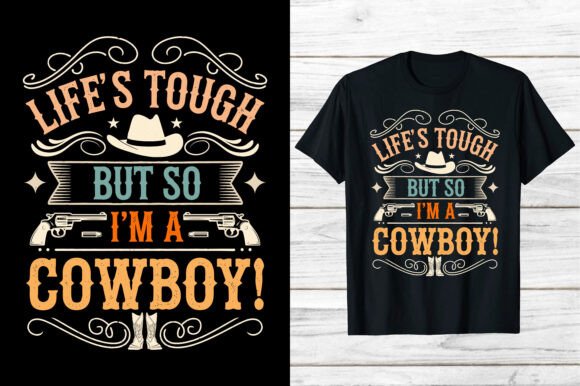
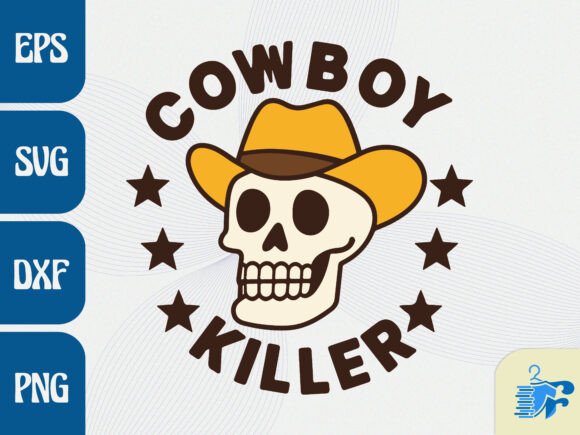
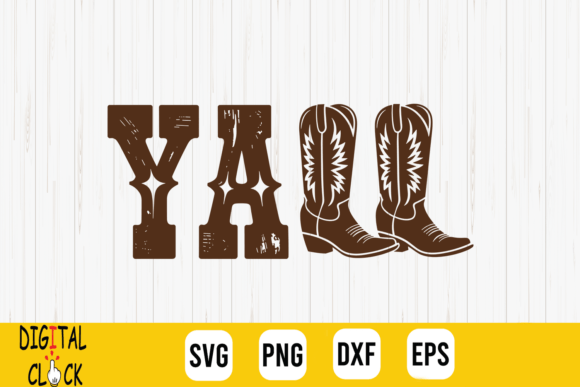
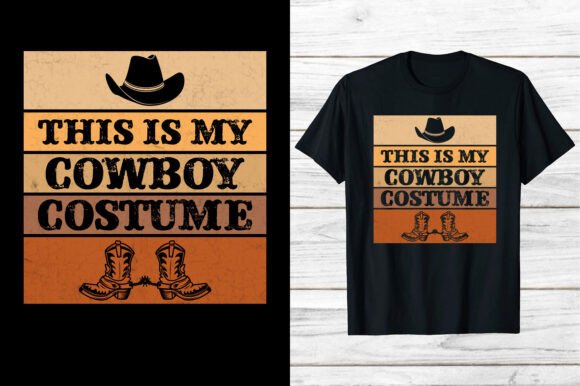
The first thing that stands out about Western Cowboy My Cowboy Costume Shirt is the mood it evokes. It’s a bold, retro-style graphic with clear lines and a stylized cowboy silhouette, making it instantly recognizable as part of Americana or western-themed collections. The layout is straightforward—centered and symmetrical—which gives it a strong focal point and makes it easier to place on garments or other items.
I appreciate the detail level; while not hyper-realistic, the design has enough character to stand out without overwhelming the fabric. The transparent PNG file provided is high quality (4500×5400 px), which means when you preview it on mockups or prepare for digitization, the resolution won’t let you down. However, being a graphics-based design rather than a vector-only file, I’d recommend verifying if all elements are properly separated into individual layers for easy editing.
What Project Does It Naturally Belong To?
This design feels like it was made for custom apparel, especially t-shirts and sweatshirts. But its versatility extends beyond that. I can see it working well as an embroidered patch for denim jackets, caps, or even aprons in a themed boutique or craft store. It also fits nicely into holiday gift ideas, like personalized western-themed pillows or tote bags for Father’s Day or birthdays.
Real-Life Embroidery Performance
When considering how this design will perform after stitching, several factors come into play. For starters, the overall shape is compact and balanced, which is great news for most standard hoop sizes. That said, if you’re using a smaller hoop for baby clothes or detailed corners on items like mugs or keychains, you may need to scale it down carefully to maintain clarity and avoid distortion.
The stitch types used here appear to be mostly satin stitch and fill stitch, with some running stitch elements for outlines or background details. This combination is solid for visual impact and durability, but the density in certain areas might require adjustment depending on your machine and fabric choice.
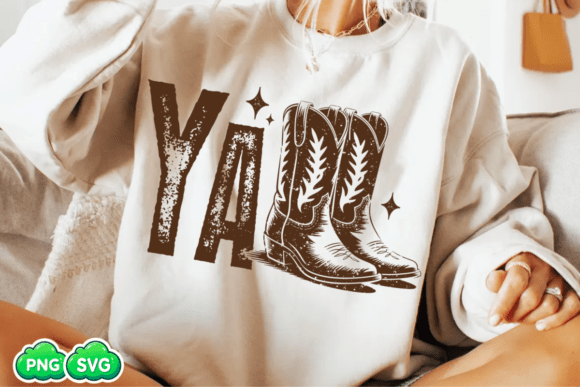
- Custom Apparel: On a t-shirt or sweatshirt, the design adds a classic touch. It works especially well with cotton blends or heavier fabrics like fleece. Just make sure the placement allows for natural movement without stretching the design.
- Tote Bag Design: A large-format tote would benefit from the full-size version of this design. Its retro aesthetic pairs well with leather accents or rivets for a more authentic western vibe.
- Baby Embroidery: If scaled appropriately, the design can be adapted for onesies or bibs. Look for simplified versions or focus on the main silhouette to keep it soft and age-appropriate.
- Embroidered Patch: The design translates well into a standalone patch. You’ll want to test stitch density and ensure proper backing to prevent fraying or distortion during transfer.
- Holiday Gifts & Boutique Merchandise: Think of personalized western shirts for Christmas gifts, embroidered pillow covers for home decor, or custom aprons for a themed coffee shop. The design brings a sense of charm and familiarity that customers respond to.
Where to Use It Carefully
While Western Cowboy My Cowboy Costume Shirt looks great on paper, there are specific situations where you should take extra care before committing to stitch:
- Small Hoop Sizes: Scaling the design too much for a small hoop could lead to loss of detail or awkward proportions. Always check your machine’s maximum capabilities and adjust accordingly.
- Textured or Stretchy Fabrics: Designs with fine lines or intricate outlines can get distorted on stretchy materials like rayon or spandex. Stabilizers are a must, and testing on similar fabric beforehand is recommended.
- Dark Fabric Backgrounds: The thread color contrast in the design is good for light-colored bases, but you’ll need to manually adjust colors if stitching on black or navy shirts. Consider using white or cream threads for visibility.
- Curved Surfaces: When applying this design to curved surfaces like hats or caps, expect some warping unless you have a compatible digitizing tool that adjusts for curvature.
- Frequent Wash Items: Because this design features multiple stitch types and possibly dense fills, frequent washing may cause slight puckering or loosening over time. Reinforcing with a backtack or using a durable stabilizer helps mitigate this.
Visual Appeal and Customer Reaction
One of the strengths of Western Cowboy My Cowboy Costume Shirt is its ability to stand out. Whether stitched onto a vintage-looking flannel shirt or a modern organic cotton tee, it adds personality. Customers who love Americana, rodeos, or western culture are likely to gravitate toward it. As an Etsy seller or handmade shop owner, this kind of design can boost buyer engagement simply because it speaks a visual language people recognize and enjoy.
From a branding perspective, the design offers consistency if you're curating a line of western-themed products. Its boldness supports professional presentation, especially when paired with matching typography or complementary motifs. But if you're aiming for subtle, minimalist style, this might not be the right fit.
Designer Notes: What to Keep in Mind Before Stitching
Here are a few tips I’ve learned from years of embroidery work that apply specifically to Western Cowboy My Cowboy Costume Shirt:
- Test on scrap fabric first, especially if you plan to use it on thin or stretchy material. This lets you catch any issues with stitch flow or tension early.
- Check thread color contrast against your intended fabric. The default palette may not pop as expected on darker or patterned backgrounds.
- Review stitch density, particularly in fill areas. Too tight and it risks breaking needles; too loose and it loses definition. Adjust based on fabric weight.
- Confirm hoop size compatibility. Since the artboard is generous in size, ensure you have the right hoop dimensions for the project you're planning.
- Inspect small details like facial features or buttons. These can be easily lost if not stitched with precision or if the fabric isn’t stable enough.
- Try a black and white mockup to see how the design holds up without color. Sometimes, monochrome reveals hidden flaws or balance issues.
- Use proper stabilizer for best results. Especially important for delicate fabrics or projects requiring frequent handling, like baby clothes or kitchen towels.
- Confirm licensing terms before selling finished products or digital embroidery files. The product description mentions “use for any personal” purposes, so commercial use should be verified separately.
Giftability and Market Potential
As a personalized gift, this design checks many boxes. It’s versatile enough to be stitched on various substrates and appealing across age groups. For Etsy sellers and craft business owners, it's a ready-made design asset that can speed up production while maintaining quality.
However, don’t assume every customer will love it. Western themes are niche, and while they resonate with some audiences, others may prefer more neutral or contemporary designs. It's worth offering it as an optional add-on or within a curated collection rather than as a default.
Final Thoughts for Embroidery Designers and Makers
Western Cowboy My Cowboy Costume Shirt is a reliable addition to your embroidery project toolkit. It delivers a strong visual identity with minimal fuss, which is perfect for those looking to create handmade products that feel authentic and stylish. Whether you're preparing a sweatshirt embroidery batch or designing a unique holiday gift, this design has potential.
But remember, no design is one-size-fits-all. Take the time to evaluate how it behaves under different conditions—thread color, fabric type, and hoop constraints. With the right adjustments and a bit of creative thinking, this machine embroidery design can elevate your small shop product offerings and bring a touch of old-time charm to your commercial embroidery projects.