Western Cowboy Shirt Embroidery Design Review
As an embroidery designer who's reviewed countless machine embroidery designs, I'm always looking for something that brings personality and practicality together. The Western Cowboy Shirt Cowboy Costume Eps caught my attention not just because of its theme, but also how it translates from a digital embroidery file to real-world applications. In this article, I’ll walk through my experience with the design, evaluating how it fits into different embroidery projects and what you should consider before using it in your handmade product line or as part of your craft business.
A First Look at the Western Cowboy Shirt Design
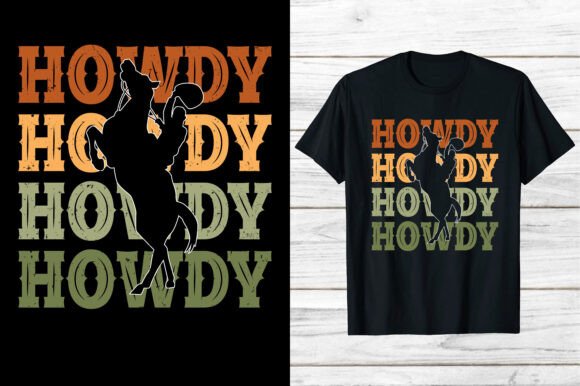
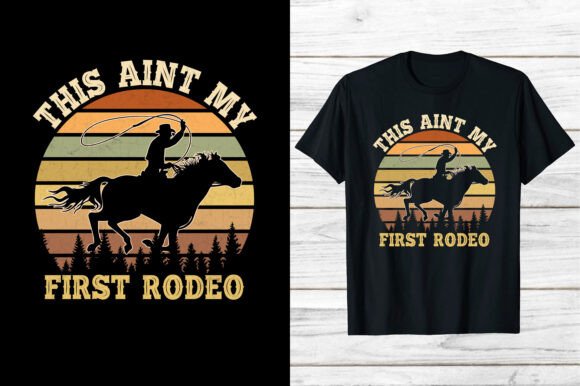
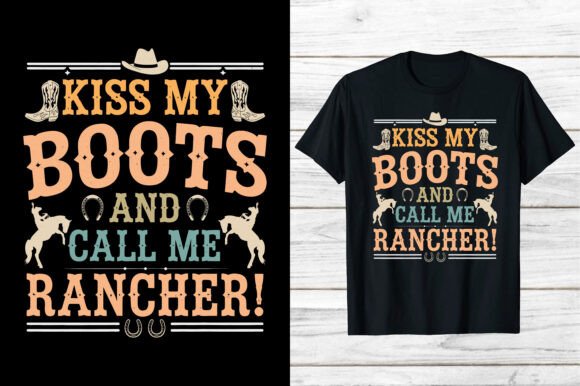
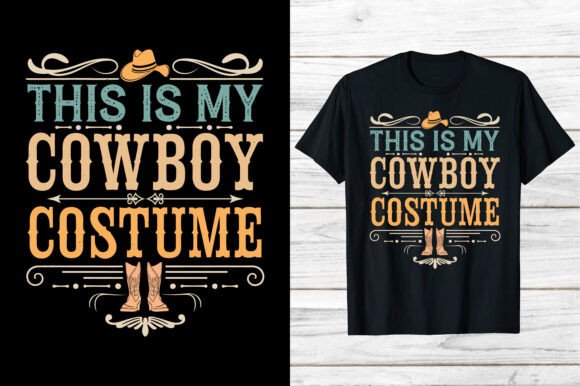
The Western Cowboy Shirt design is a bold, thematic graphic that immediately sets a scene—think dusty trails, leather chaps, and wide-brimmed hats. It features a stylized cowboy shirt front with stitching details that mimic the look of a vintage western costume. The visual layout is centered, which makes it easy to place on most items. The detail level is moderate, leaning more towards silhouette-based shapes than intricate patterns. This means it won’t overwhelm smaller spaces, but still carries enough character to make a statement.
I was impressed by the clarity of the transparent PNG file included in the Graphics category under Freebies. It gives a clean preview of how the design will look when placed on fabric, especially useful if you're planning to use it for printable mockups or digital previews for clients or Etsy listings. The EPS file is editable, so if you want to tweak the artboard size or adjust elements for specific projects, you can do so without losing quality.
What Kind of Project Does This Design Belong To?
This design naturally fits into custom apparel like t-shirts, sweatshirts, or even tote bags where a retro western vibe is desired. It could be adapted for embroidered patches or nursery decor if scaled down appropriately. Its visual style suggests it works well as a standalone graphic rather than being combined with many other elements. If you’re creating a holiday gift or a personalized product with a rustic theme, this design has the potential to elevate your project instantly.
Real-Life Application: Custom Sweatshirt Embellishment
To test the Western Cowboy Shirt in action, I used it for a sweatshirt embroidery project. I wanted to see how it would hold up after stitching and whether it would appeal to customers shopping for unique, themed apparel. After placing the design on a medium-sized hoodie, I noticed that the stitching remained clear and the design retained its charm. The bold lines and minimal shading made it pop against a light gray fabric, which is a common choice for unisex hoodies.
However, when I tried it on a dark navy fabric, the contrast dropped significantly. This is where the importance of thread color comes into play. If you plan to stitch this design on darker materials, you’ll need to choose thread colors carefully to ensure visibility. A black-and-white mockup beforehand can help you evaluate the design’s effectiveness across various backgrounds.
Customer Reaction and Giftability
After showing the finished sweatshirt to a few friends and fellow crafters, I received positive feedback. The design felt nostalgic yet modern, which is a great balance for today’s market. One friend mentioned it would be perfect for a themed baby item, while another thought it’d work well on a denim apron for a rustic-themed kitchen. The versatility here is key—this isn't just a t-shirt design; it's a design asset that can cross over into multiple product categories.
For Etsy sellers and small shop owners, the Western Cowboy Shirt adds value by offering a distinctive look. Customers are more likely to engage with products that have strong visual storytelling, and this design does exactly that. Whether it’s a custom apparel piece for a boutique or a personalized gift for a fan of the wild west, it feels intentional and well-crafted.
Where to Use This Design with Caution
While the Western Cowboy Shirt looks impressive, there are some scenarios where it might not perform as expected:
- Small hoop sizes: The design is best suited for larger areas due to its scale and detail. Attempting to fit it into a tight space may result in lost clarity or distorted proportions.
- Textured fabrics: Stitching on canvas or flannel might require additional stabilizer to keep the design sharp and prevent puckering.
- Thin or stretchy materials: These fabrics can cause the design to shift during stitching, especially if the stitch density isn’t adjusted properly.
- Dark fabric: As mentioned earlier, thread contrast becomes critical. Without the right color choices, the design may appear flat or washed out.
- Layered garments or curved surfaces: While it’s possible to adapt the design for caps or curved areas, you’ll need to break it into sections and test each individually for placement accuracy.
- Dense stitch areas: Certain parts of the design, like the button detailing or collar, require careful handling to avoid excessive tension or distortion.
Always test the design on scrap fabric first. This helps you assess how it reacts to your machine, thread, and stabilizer setup. You don’t want to risk ruining a high-quality garment or a client order due to an oversight in stitch clarity or thread colors.
Design Value and Brand Consistency
When it comes to adding value to a product, this design does a solid job. It enhances the visual appeal of any item it’s applied to, making it stand out in both online shops and craft fairs. For commercial embroidery purposes, the Western Cowboy Shirt maintains a professional look, especially if stitched cleanly with good thread management.
If you're building a brand around western or vintage themes, this design aligns well with such a vision. Its consistent styling and recognizable motifs contribute to a cohesive look across your product range. That said, always check the design’s compatibility with your existing design assets to maintain brand consistency. It's also worth noting that since no exact hoop size or license terms were provided, it's important to confirm these before selling the finished product or including it in digital product previews.
Professional Touches for Enhanced Presentation
One thing I appreciate about this design is how it elevates the presentation of a handmade product. When stitched onto a cotton-blend sweatshirt, it gave off a polished, ready-to-sell feel. The clean edges and defined outlines suggest that it’s been optimized for applique designs and can handle both fill stitch and running stitch techniques depending on the garment’s fabric.
For those interested in decorative accents, the design allows for creative variations—like adding a name or date beneath the shirt, or integrating it into a larger western-themed composition. Just be mindful of how much additional content you add, as too many elements can distract from the main graphic.
Final Thoughts for Embroidery Product Creators
In summary, the Western Cowboy Shirt Cowboy Costume Eps is a strong addition to your embroidery project toolkit. It offers a retro aesthetic with modern usability, making it suitable for a variety of handmade products, including tote bag designs, holiday gifts, and custom apparel pieces.
That said, its performance depends heavily on the fabric type, background color, and overall application method. Always review stitch density, confirm the hoop size, and inspect small details like buttons or seams for any potential issues. If you're considering using this in commercial settings, double-check the licensing to ensure it's appropriate for resale or mass production.
Whether you're a craft business owner, a creative entrepreneur, or simply a hobbyist looking to expand your design library, this embroidery file is worth exploring—but only after you've done your homework. Test it thoroughly, understand its limitations, and use it where it shines brightest. With the right approach, it can become a valuable part of your collection of design assets and help boost buyer engagement with a touch of classic Americana flair.