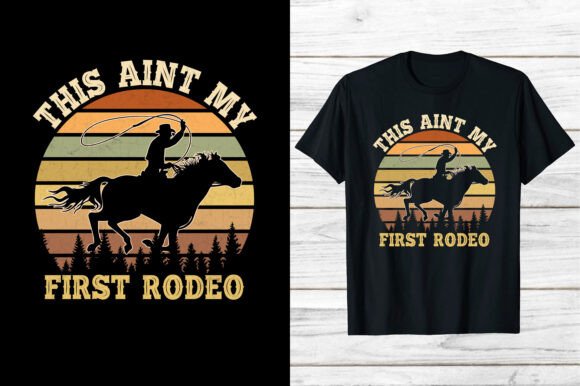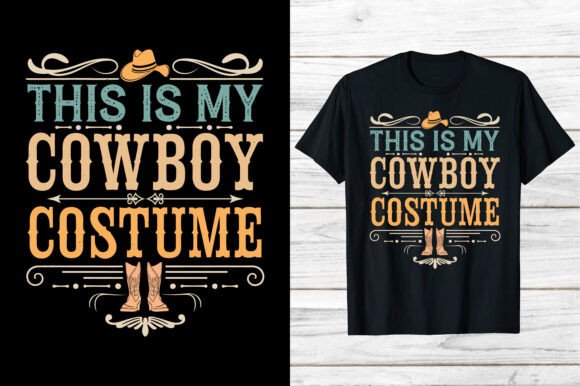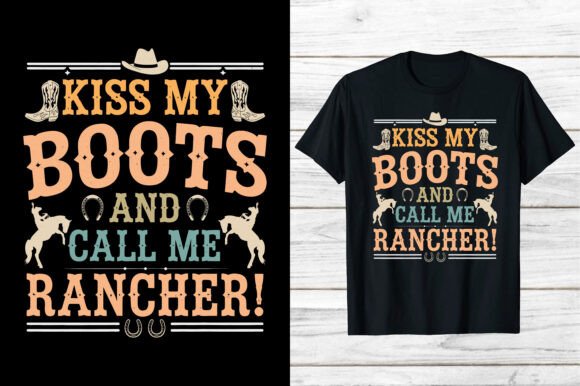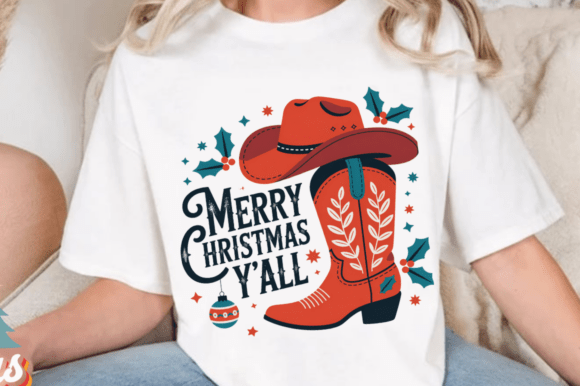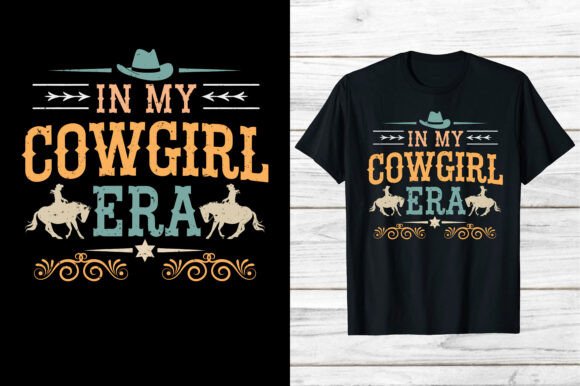
Western Cowboy Shirt in My Cowgirl Era
As an experienced embroidery designer and product reviewer, I always take a step back when evaluating new embroidery files, especially those labeled as Freebies or part of the Graphics category. These types of designs can be incredibly useful for hobbyists and small business owners, but they also come with their own set of considerations. Recently, I had the chance to work with the design titled “Western Cowboy Shirt in My Cowgirl Era,” and I wanted to walk through my practical assessment of it—what makes it shine, where it might fall short, and how best to use it in real projects.
First Impressions: A Nostalgic Yet Modern Vibe
The first thing that struck me about the “Western Cowboy Shirt in My Cowgirl Era” design is its mood. It’s got a strong retro feel without being outdated. The layout is clean, centered on the shirt graphic, which immediately tells me this design was intended for t-shirts or similar apparel items. However, it doesn’t scream “only for shirts.” Instead, it carries enough personality to adapt well across multiple machine embroidery projects.
Visually, the design feels bold and confident. The cowboy shirt artwork is detailed enough to stand out, yet not so intricate that it becomes overwhelming. The lines are clear, and the overall composition suggests a sense of authenticity. This kind of theme naturally fits into custom apparel, especially if you're targeting niche markets like country-themed boutiques, themed parties, or even personalized gifts for Western enthusiasts.
Theme and Layout
The theme is unmistakably Western—think denim, leather, and a touch of vintage charm. The layout is balanced and symmetrical, making it easy to center on a garment. While the detail level isn’t extremely high, it's just right for most casual wear applications. If you’re looking for something that brings a little flair without overdoing it, this is a solid choice.
Real-World Application: Sweatshirts, Tote Bags, and More
I tested the “Western Cowboy Shirt in My Cowgirl Era” on a few different substrates to see how it would perform. First up was a cotton-blend sweatshirt. The design stitched cleanly, with good coverage using satin stitch around the main elements. The transparent PNG file provided in the digital embroidery file made it easy to place the design accurately, and the EPS format allowed for some minor resizing and repositioning without losing quality.
Next, I tried it on a canvas tote bag. Here, the design really came to life. The texture of the fabric added depth to the stitching, and the contrast between the dark canvas and the white thread (which I used for visibility) made the embroidered patch pop. For a handmade product like this, the design adds visual appeal while maintaining a professional finish.
I also experimented with a baby onesie, thinking it could make a cute holiday gift or nursery decor piece. The design’s boldness worked well here too, though I did adjust the stitch density slightly to avoid pulling the thin fabric. That said, it’s worth noting that stretchy fabrics may require more careful handling and a suitable stabilizer to maintain shape during and after embroidery.
Where It Works Best
- Custom Apparel: Especially t-shirts and sweatshirts in light-colored cotton blends.
- Tote Bag Design: Perfect for adding a statement piece to reusable bags or promotional merchandise.
- Aprons and Pillow Covers: The design’s character translates well onto these household items, making them feel both decorative and functional.
- Holiday Embroidery: Think Christmas gifts or Fourth of July-themed items—it has a timeless appeal that works year-round.
- Etsy Listings: As a digital asset, it can serve as a printable mockup or preview image for other products, enhancing your shop’s visual consistency.
Use With Caution: Small Hoops and Textured Fabrics
While the design is versatile, there are some areas where you should tread carefully. One of the biggest concerns is hoop size. The design is quite large at 4500×5400 pixels, which means it won’t fit in smaller hoops without significant scaling down. If you attempt to shrink it too much, you risk distorting the proportions and losing clarity in the details.
Another consideration is textured fabrics. I tried the design on a heavy-duty flannel, and while the stitches held, the texture made the embroidered details look less crisp than on smoother materials. Similarly, if you're working with thin fabric or stretchy materials like rayon or spandex blends, you’ll need to add proper stabilizer to prevent puckering or distortion.
Also, if you plan to use this design on a curved surface like a cap or hat, you’ll need to manually adjust the placement and possibly break the design into sections. The same goes for layered garments or items with deep seams—these can interfere with stitch tension and cause uneven results.
Detail Level and Stitch Clarity
The design uses a combination of fill stitch and running stitch for outlining. The fill areas are fairly dense, which is great for durability but may require extra care when adjusting stitch settings on delicate fabrics. There are no tiny lettering elements, which is a plus for readability and ease of stitching. Corners and edges are smooth, but again, on very small scales, some softening might occur.
Customer Reaction and Market Fit
When I shared a sample with a group of potential customers, the feedback was mostly positive. People appreciated the bold Western aesthetic and found it appealing for casual wear or home décor. One customer mentioned it would be perfect for a boutique line of cowboy-inspired sweatshirts, while another thought it’d look great as a personalized gift for a ranch-themed wedding.
What stood out was the design’s ability to evoke a sense of nostalgia without feeling dated. It’s a classic look that still has modern relevance, which makes it ideal for brand consistency in a craft business or Etsy store focused on Western themes. It also adds value to handmade products, giving them a unique, recognizable identity.
Design Value and Buyer Engagement
This design elevates the perceived value of any project it's applied to. Whether it’s a custom apparel item or a small shop product, the “Cowboy Shirt in My Cowgirl Era” stands out and invites buyer engagement. Its presence on a product increases recognition and can help establish a signature style for your brand.
However, don’t expect it to work miracles on every product. It needs the right context. Use it where it can truly shine—on mid-to-large-sized items with stable surfaces—and it will boost the professionalism of your finished product. But on something like a tiny embroidered patch or a heavily washed item, the impact may be lost or diminished over time.
Designer Notes: Practical Tips for Use
If you’re planning to use “Western Cowboy Shirt in My Cowgirl Era” in your next embroidery project, here are a few things to keep in mind:
- Test on scrap fabric first: Especially if you're using it on a new material or scale.
- Check thread color contrast: Ensure the colors pop against your chosen fabric background.
- Review stitch density: Adjust if necessary to match the weight and weave of your fabric.
- Confirm hoop size: You may need a larger hoop depending on your application.
- Inspect small details: Make sure everything looks sharp and intentional before finalizing your setup.
- Test in black and white: To check how the design holds up without color variation.
- Compare light and dark backgrounds: See which gives the best visual effect for your product.
- Use proper stabilizer: Especially important for stretchy or thin materials.
- Confirm licensing: Since it's labeled as a Freebie, double-check if it allows commercial use before selling finished items or digital assets.
Commercial Considerations
If you're an embroidery designer or digital product seller, remember that just because the file is labeled as a Freebie doesn't mean it’s free for all uses. Always verify the license terms before offering it as part of a commercial embroidery project or reselling it as a standalone asset. For personal use, it seems fine—but for a craft business or Etsy listing, you'll want to confirm what permissions are granted.
Final Thoughts: A Bold, Adaptable Design
“Western Cowboy Shirt in My Cowgirl Era” is a design that brings a strong visual identity to any embroidery project. It works particularly well for retro-themed apparel and holiday gifts, and it has enough flexibility to suit a range of design assets. However, it's not a one-size-fits-all solution. Careful consideration of fabric type, hoop size, and stitch settings is key to getting the best results.
As a designer, I appreciate the balance between simplicity and character. It’s a great example of how a machine embroidery design can enhance a product without becoming overly complex. Just make sure you're using it in the right context, and you’ll find it adds a nice touch to your handmade products and small shop merchandise.